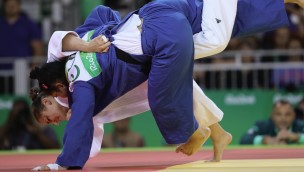
Upper arm fracture
The vast majority of upper arm fractures occur following a fall or a direct injury, such as a blow to the arm or shoulder.
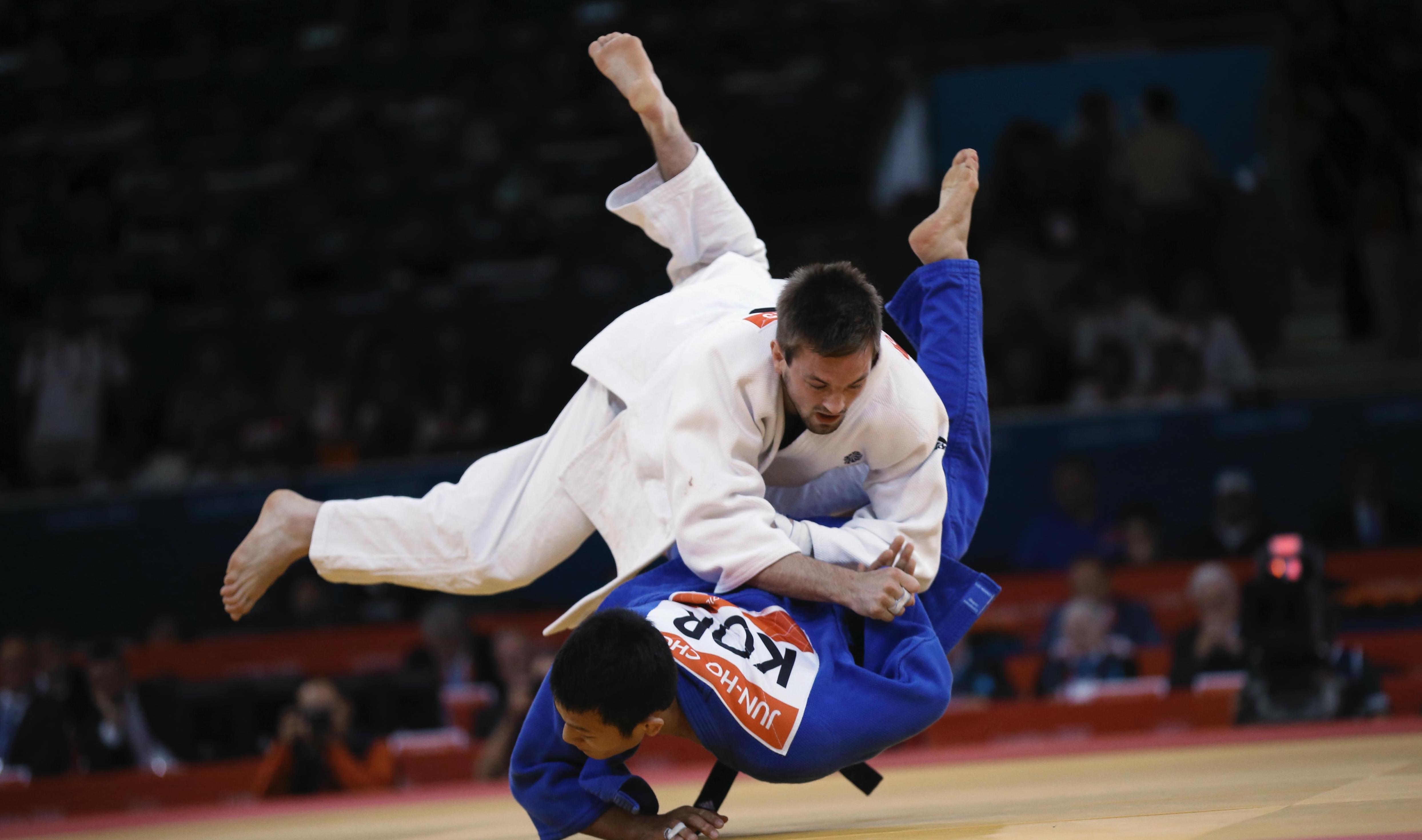
Upper arm fractures often occur when a person falls on their elbow or an outstretched hand, or when they receive a blow to the upper arm.
Symptoms and Signs
Many people experience intense pain that worsens when moving the arm. Swelling around the injury site and changes in skin color are also common. In some cases, the arm may look different because the bone is out of position following the fracture. In rare cases, the bone may even pierce the skin.
Diagnosis
A doctor will be able to confirm the fracture using X-rays.
Treatment
You should go to the emergency room immediately. There, you will receive the care you need. You may be given a cast, a splint, or have your arm placed in a sling, depending on where in the upper arm the fracture occurred. All these measures are intended to help the bone heal properly.
If the fracture is high up near the shoulder joint, it is rarely possible to apply a cast. In that case, a sling is recommended to relieve pressure on the shoulder while the fracture heals. If the fracture cannot heal in the correct position, surgery may be necessary.
Returning to sports
• It usually takes 6–8 weeks for a fracture to heal. In the meantime, you should start a rehabilitation program to
• regain lost strength and control
• reduce stiffness in the upper arm and shoulder
An experienced physical therapist can help with this. Several of the exercises in our preventive shoulder program can also be useful in the rehabilitation process following an upper arm fracture. See the link to the program at the bottom of the page.
The likelihood of making a full recovery from this injury is very high.