Overview - Elbow injuries
Here you can read more about the most common elbow injuries
Handball goalie’s elbow
Handball goalie’s elbow is an injury that affects three out of four goalkeepers during their careers.
When the ball hits a handball goalkeeper at an awkward angle, it causes the elbow to hyperextend. This can damage the ligaments in the elbow joint.
Symptoms: The most common symptoms are pain and discomfort, reduced arm strength, numbness radiating to the little finger, swelling with reduced mobility, and locking of the elbow.
The diagnosis is made following a clinical examination by a doctor or physical therapist.
If rehabilitation begins early, the prognosis is good. If symptoms are ignored, or if you return to activity too soon without thorough rehabilitation, there is a high risk of developing chronic symptoms.
Golfer’s elbow
Golfer’s elbow is a strain injury that can occur after excessive use of the muscles that flex the elbow joint.
Symptoms: The pain is localized on the inside of the elbow. The muscles around the elbow extend to the wrist, so activities involving repetitive flexion (bending) of the wrist can trigger pain.
The primary treatment is activity management, which means that activities that worsen the symptoms should be limited or avoided for a short period. It is recommended to do this in consultation with a trainer and physical therapist.
If you start treatment early, you can make a full recovery, and the chances of returning to your pre-injury activity level are good.
Elbow dislocation
This injury is relatively rare, but must be taken seriously.
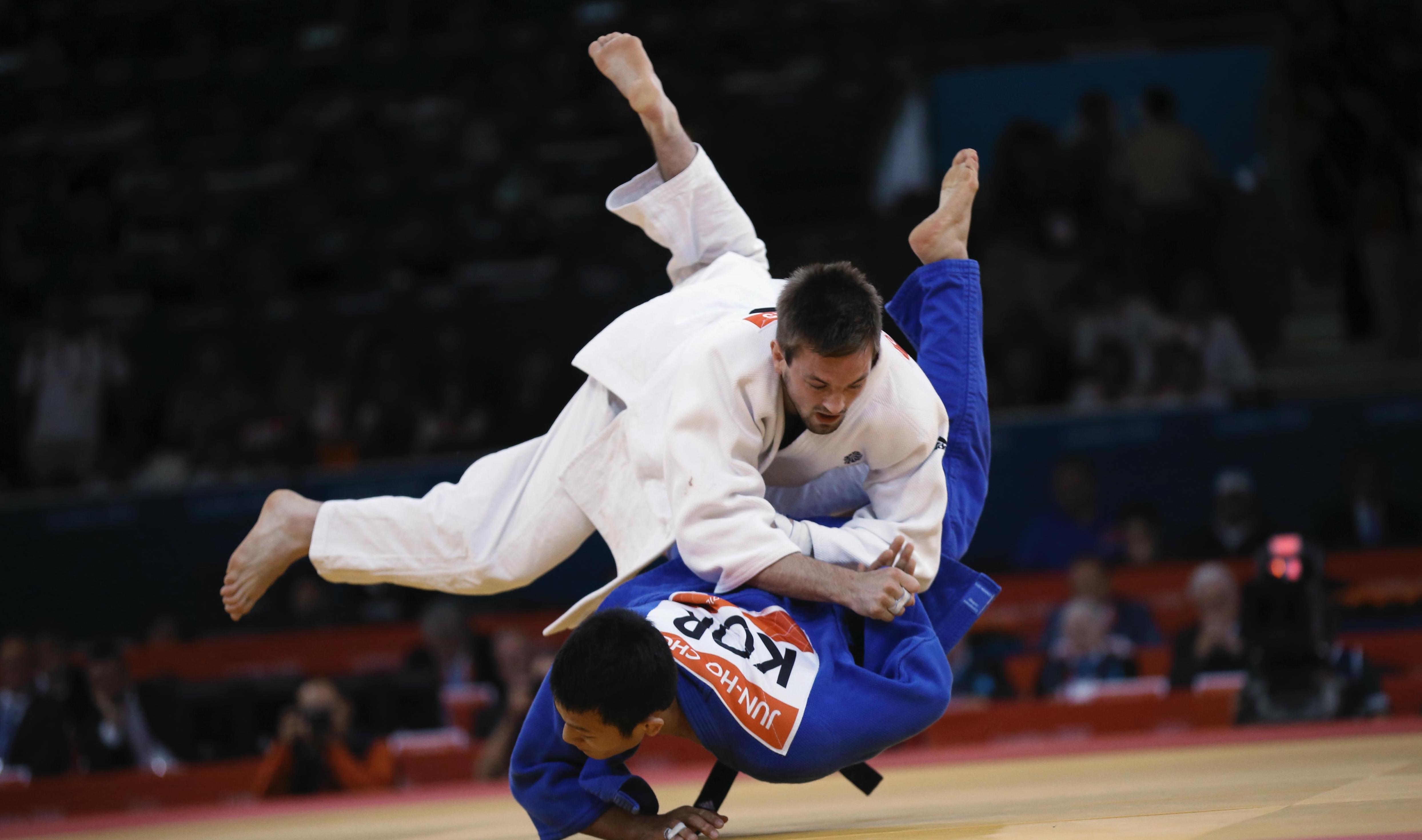
After the shoulder, the elbow is the joint most commonly dislocated. This can be a complete or partial dislocation and usually occurs when falling with the arm nearly straight, followed by a twisting motion.
Symptoms: Misalignment, pain, swelling, and discoloration due to bleeding are typical signs.
The diagnosis is made during an examination by a doctor. X-rays are used to rule out fractures. These images are usually taken before and always after the joint has been reduced.
The goal of treatment is to restore full function to the elbow. The elbow should be reduced—that is, put back into place—as soon as possible.
If the elbow has been reduced and there are no significant additional injuries, early mobilization is important—that is, as soon as the pain allows. Care must be taken to avoid the risk of the elbow dislocating again.
You can read more about these injuries and other elbow injuries by clicking on the articles on this page.