Growth plate injuries in the fingers (epiphyseal injuries)
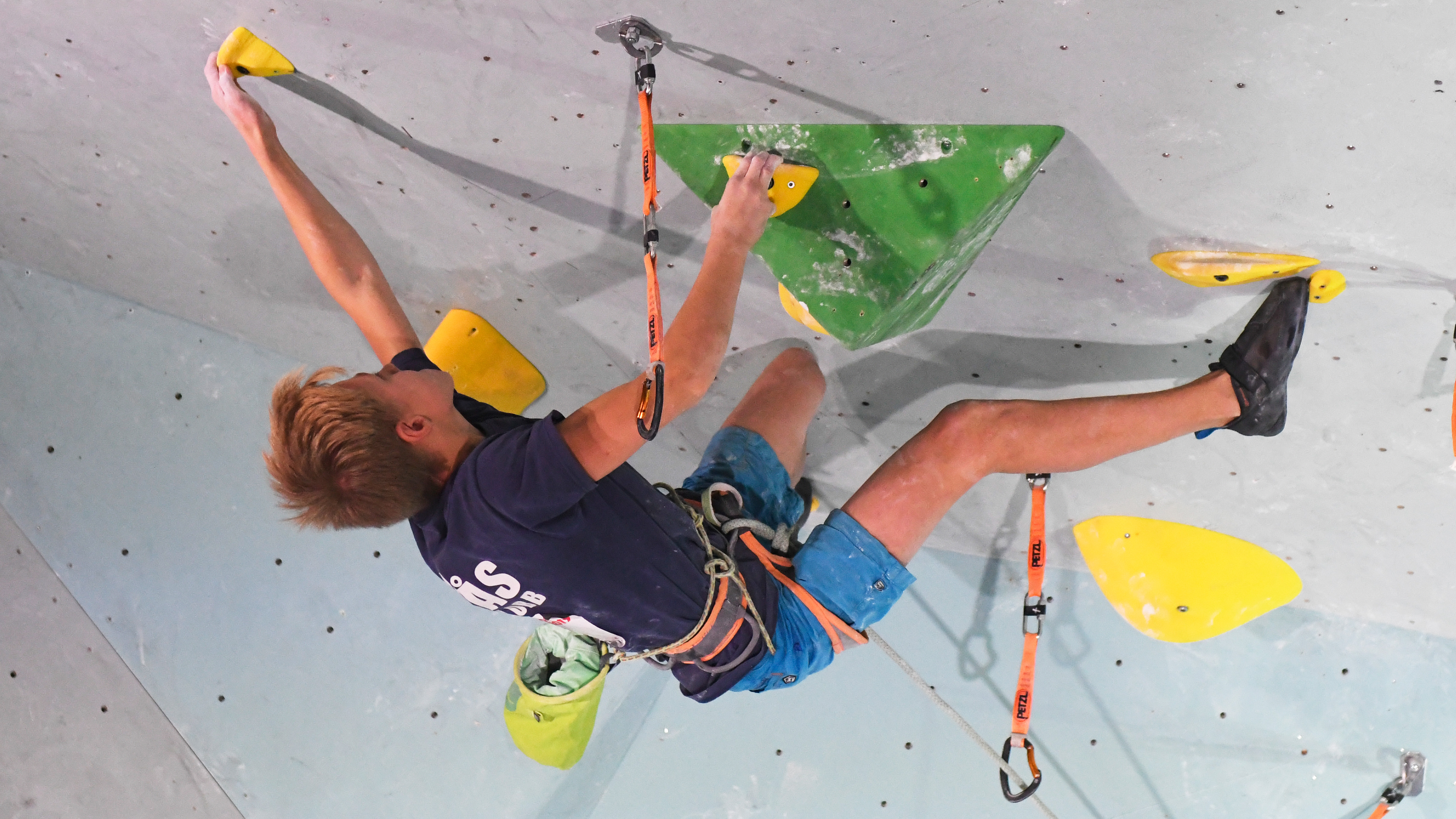
Growth plate injuries occur only in growing adolescents. In medical terms, they are called epiphyseal injuries. Epiphyseal injuries in the fingers are most common in climbing, due to the high stress placed on the fingers. This is an injury that is important to be aware of and take seriously in order to avoid long-term consequences.
Symptoms
Symptoms include pain and swelling in and around the finger joint. Sometimes there is reduced mobility. Symptoms usually develop gradually over time. The injury most commonly affects the middle joint of the middle finger (3rd finger).
Diagnosis
If the medical history and clinical examination suggest an epiphyseal injury in the fingers, the athlete should be referred for an X-ray or MRI to confirm the diagnosis. It is important to detect this injury early to prevent further deterioration of the growth plate in the bone.
Treatment
Treatment involves a break from sports for a minimum of 8 weeks. It is recommended to confirm that the injury has healed via X-ray or MRI before the athlete returns to sports.
Prognosis
The prognosis is good when the diagnosis is made early and the athlete takes a break from sports and other strenuous activities; the bone will then develop normally. If the diagnosis is made late and/or the athlete continues to train, the prognosis is significantly worse, with a risk of significant growth disturbance and a crooked finger as a result. In these cases, it may be necessary to operate on the finger to correct the injury later.
Prevention
Growth plate injuries in the fingers can be prevented by gradually increasing the volume of training, as well as by being cautious with finger training (duration, frequency, and weight). It is recommended to climb for at least two years before starting specific finger training. Avoid campus board training and finger-intensive climbing during growth spurts.