Overview - head injuries
Of the most known injuries to the head, concussion is an injury many sport will know. In addition, facial injuries can also occur in many different sports.
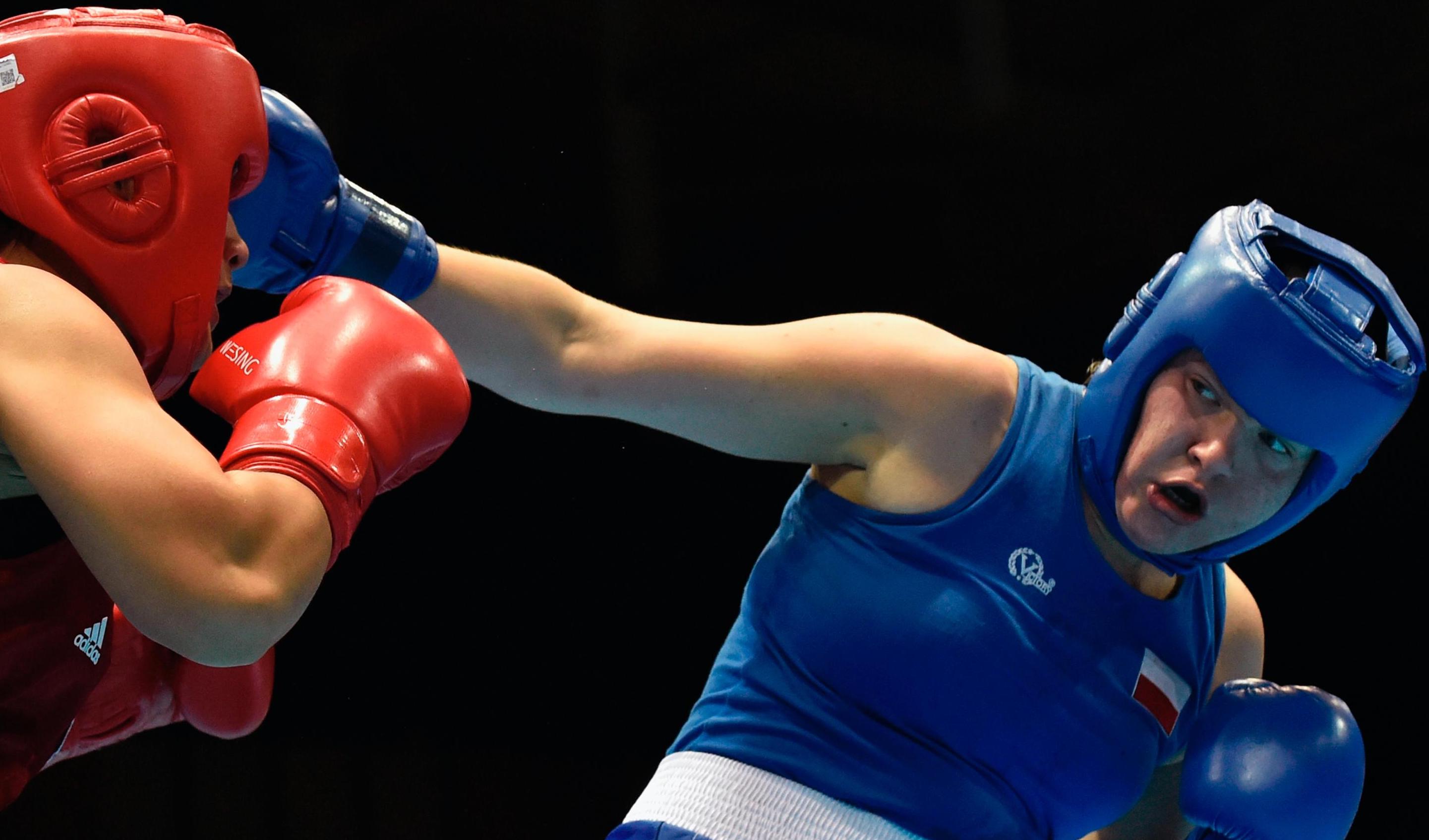
Concussion
It can be difficult to determine whether someone has had a concussion. The rule of thumb is: if in doubt, sit it out.
A few years ago, it was necessary to have been unconscious or suffer memory loss to be diagnosed with a concussion. This has changed in accordance with newer research.
A concussion occurs after the head is subjected to rapid acceleration forces that shake the brain.
A diagnosis is based on signs (objective) and symptoms (subjective). These may not present immediately, which is a challenge since it is important that the athletes are removed from training/competition as soon as the concussion has occurred.
Symptoms: Typical signs are poor coordination, loss of consciousness, cramps, slow speech, changes in personality, abnormal emotional outbursts, being easily distracted, nausea/vomiting, balance eyes, confusion, and reduced performance. It is important to know that only about 10% of those who suffer a concussion lose consciousness.
An athlete who has suffered a concussion should not be left alone the first 24 hours following the injury.
Facial injuries
Facial injuries in sports are often the result of direct contact with other athletes, e.g. by their elbow, shoulder or head, or of collisions with equipment such as a hockey stick or goal posts.
The most common sports-related facial injuries are soft tissue injuries such as scratches, cuts, and hitting or impact injuries.
The most common face fractures are a broken nose, a broken jaw, a cheekbone (zygomatic) fracture, and an eye-socket fracture.
You can read more about these injuries by clicking on the articles on this page.