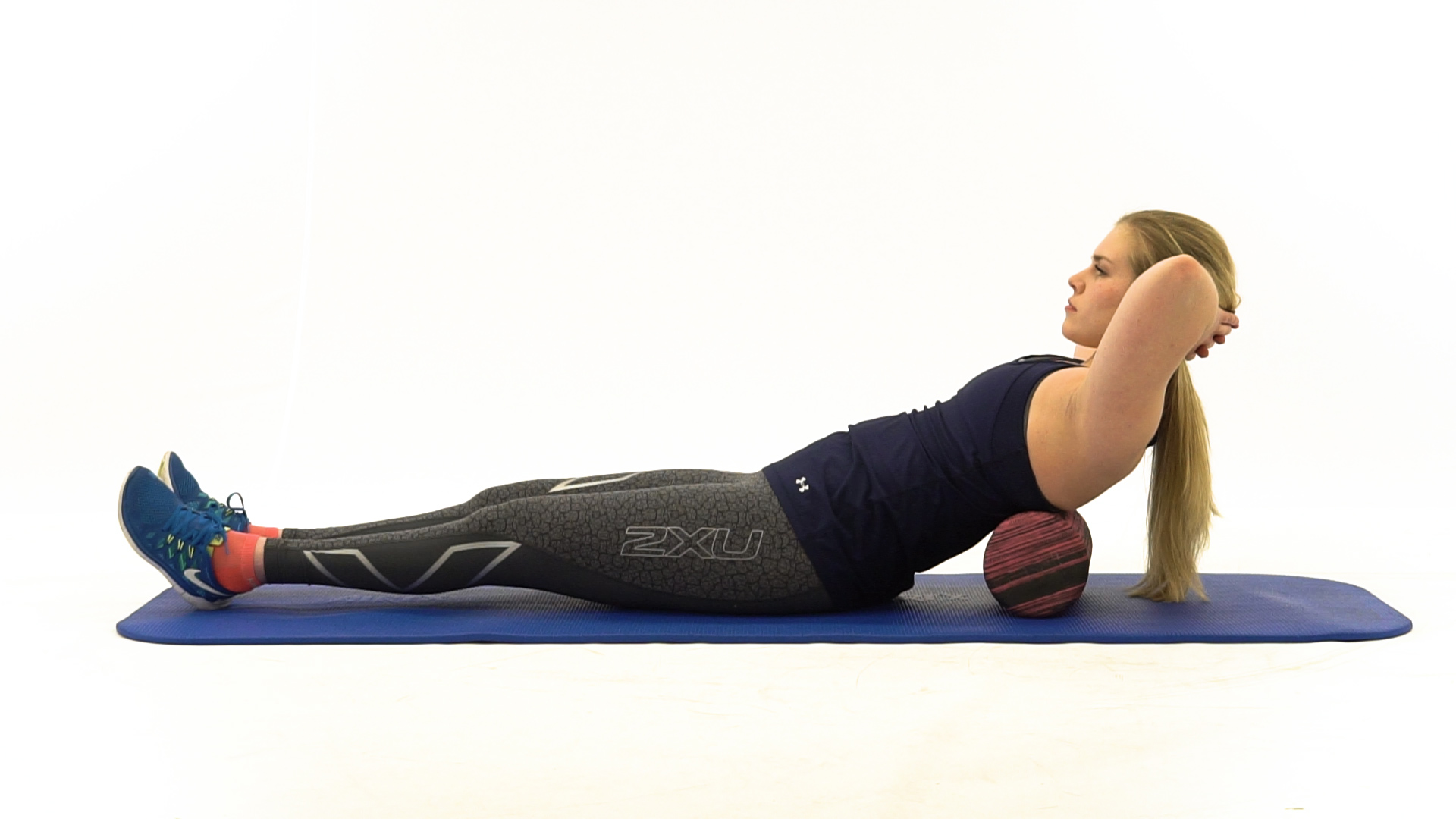
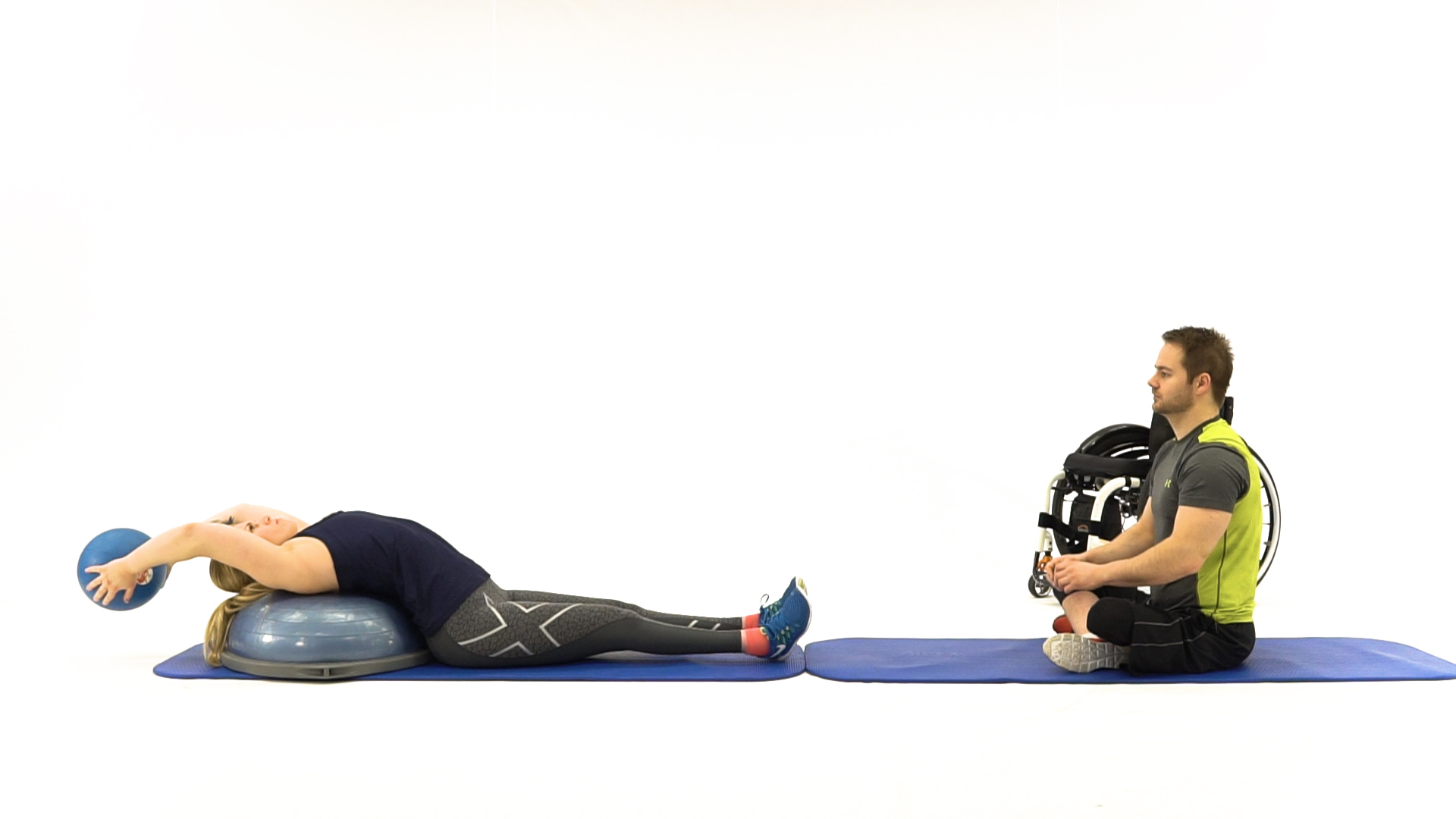
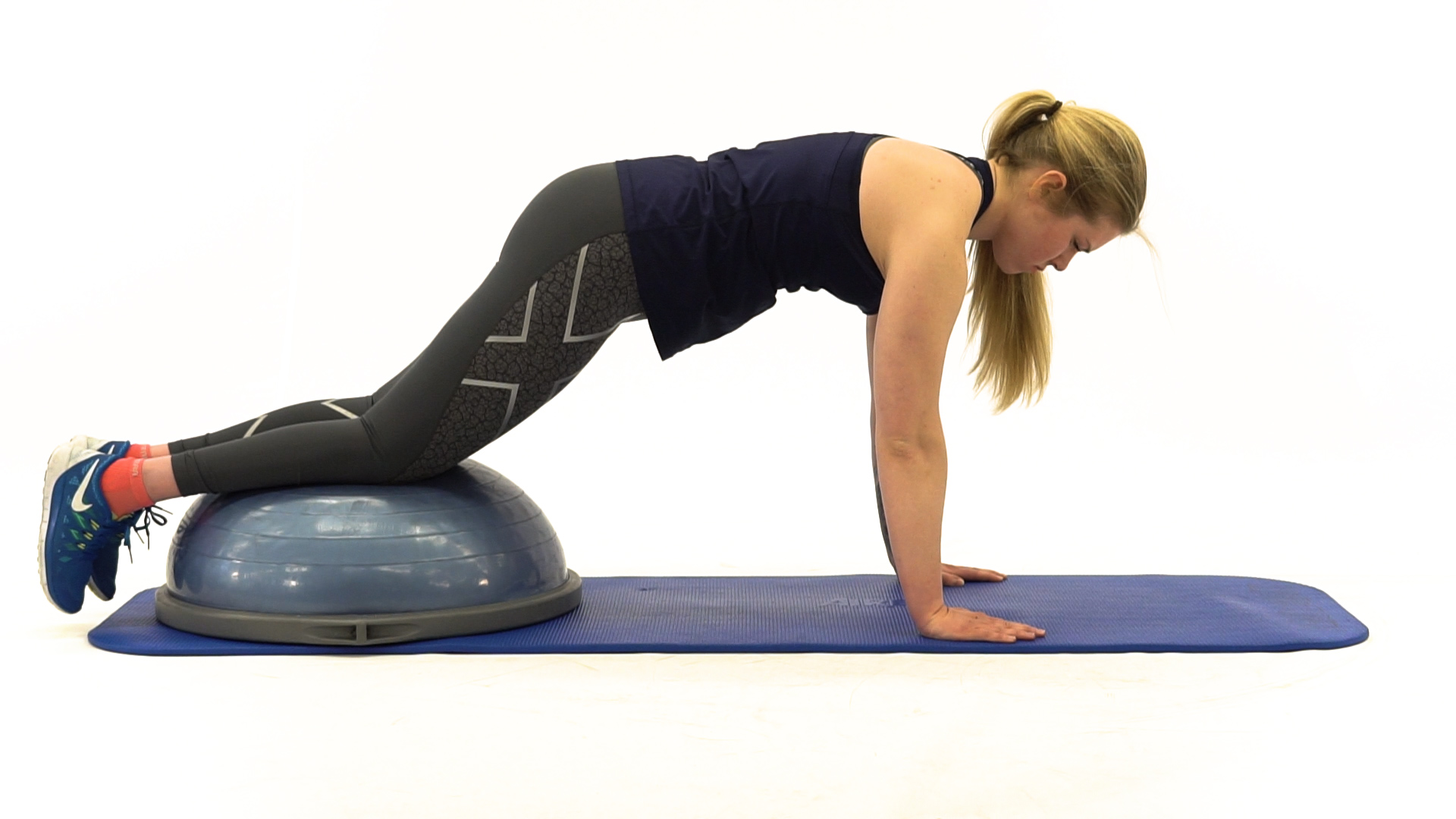
With injury prevention training, proper warm-up and load management you can reduce the risk of injury.
BEST WITHOUT INJURIES
Training regularly is essential for improving and enjoying your sport over time. When you're injured, it prevents you from consistent training. Did you know that a previous injury increases the risk of a new one? That's why injury prevention is crucial to help you enjoy and perform in your sport. This program is designed to help you stay injury-free, so you can keep progressing and enjoy your sport for many years to come.
LOAD MANAGEMENT
Injuries are complex and can be influenced by many factors, such as training volume, physical condition, recovery, and overall load – to name a few. Although it is not easy to influence all of these factors, load management is an important aspect that can help reduce the risk of injuries. By properly balancing training load, you can decrease the risk of injuries. Together with coaches and parents, you can ensure an adapted load that allows for development while giving the body enough time to recover. You can read more about load management under "Nice to Know" on the homepage.
STABLE SHOULDER
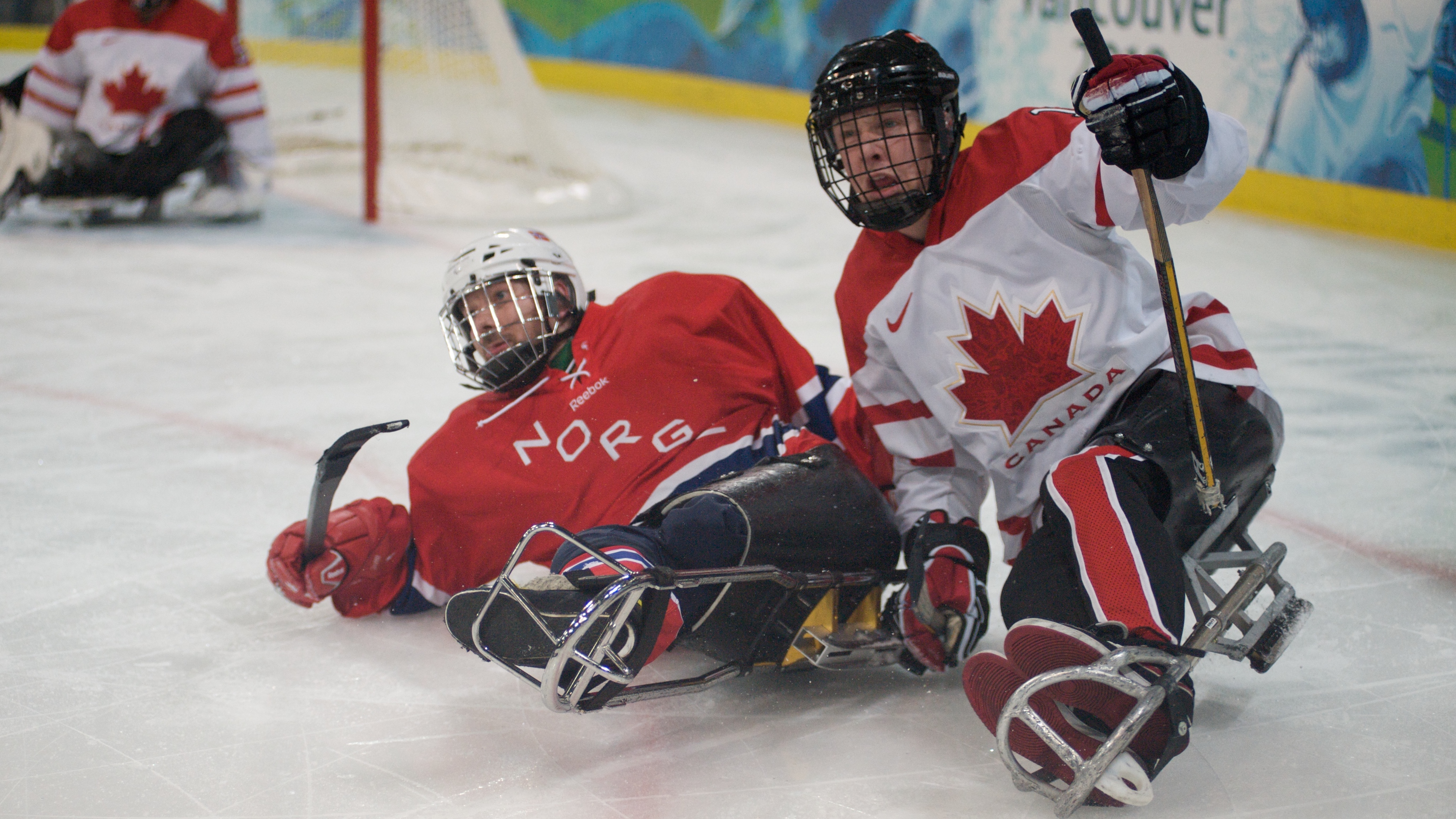
A stable shoulder is reliant on the interplay between the muscles around the shoulder. These muscles must be strong and enduring for optimal function. This is especially true if you are depending on your wheelchair for transportation or competing in an over head sport.
BECOME A HEALTHIER ATHLETE WITH WARMING UP
Warm-up programs in sports have traditionally consisted of exercises like jogging, jumping and throwing, but you should not restrict yourself to that. Research has shown that the strength and conditioning exercises can reduce the risk of injury by half. It gets you warmed up and ready for action, and is suitable before training and matches.
The program consists of 3 levels of progression. When you master these exercises, you can move on to the next level. The videos featuring the Norwegian Association of the Blind and Partially Sighted have been compiled into complete exercise programs. The programs can be done anywhere and require very little equipment.
The program consists of 3 levels of progression. When you master the program on all 3 levels, it is important to continue doing them regularly to maintain their effect.
Welcome to a training session focused on everyday exercise! This is a low-impact training session that is set to train your entire body
The training session is divided into a warm-up, main set, and a cool-down, and is suitable for everyone, whether you're a beginner or experienced when it comes to training
Balance and Coordination – audio description
One time
Welcome to a training session focused on balance and coordination! This is a low-impact training session that is set to train your entire body
The training session is divided into a warm-up, main set, and a cool-down, and is suitable for everyone, whether you're a beginner or experienced when it comes to training
Welcome to a training session that is focused on endurance! This is a training session that is set to train your entire body
The training session is divided into a warm-up, main set, and a cool-down, and is suitable for everyone, whether you're a beginner or experienced when it comes to training
Strength training level 1 - audio description
One time
Welcome to a training session that is focused on strength training! This is a training session that is set to train your entire body
The training session is divided into a warm-up, main set, and a cool-down, and is suitable for everyone, whether you're a beginner or experienced when it comes to training
For athletes it is normal to be exhausted and tired following training and competition. But it is not normal to stay tired even after several days of rest.
There is no reason why children and adolescents should not train strength. On the contrary, it is beneficial with training strength for all age groups - as long as you do it correctly.

 Play video
Everyday training -audio descriptionOne time
Play video
Everyday training -audio descriptionOne time Play video
Balance and Coordination – audio descriptionOne time
Play video
Balance and Coordination – audio descriptionOne time Play video
Endurance training 1 - audio descriptionOne time
Play video
Endurance training 1 - audio descriptionOne time Play video
Endurance training 2.0 - audio descriptionOne time
Play video
Endurance training 2.0 - audio descriptionOne time Play video
Strength training level 1 - audio descriptionOne time
Play video
Strength training level 1 - audio descriptionOne time Play video
Strength training level 2 - audio descriptionOne time
Play video
Strength training level 2 - audio descriptionOne time Play video
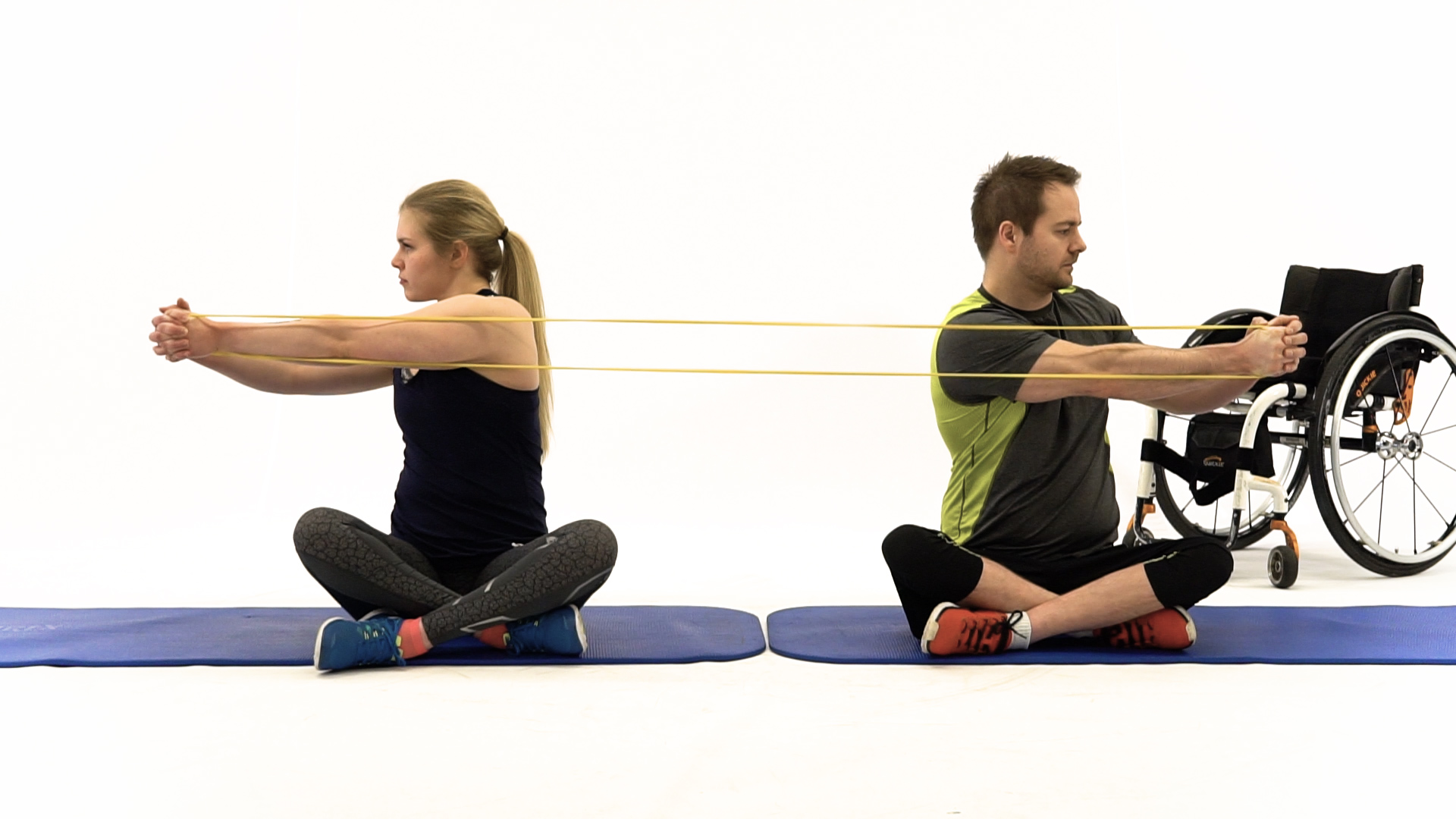
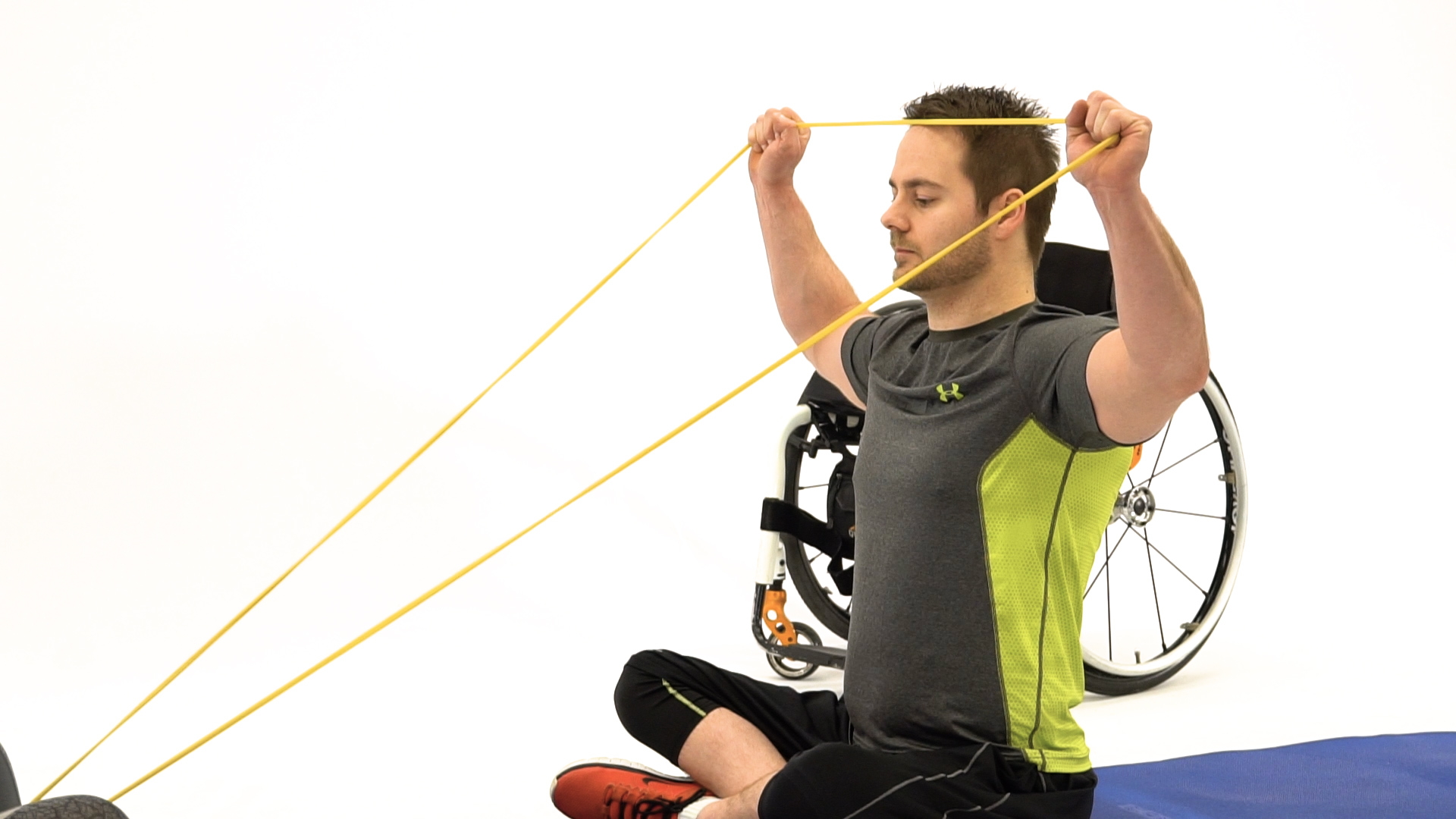
Sitting rowing3 x 8–16 repetitions
Play video
Sitting rowing3 x 8–16 repetitions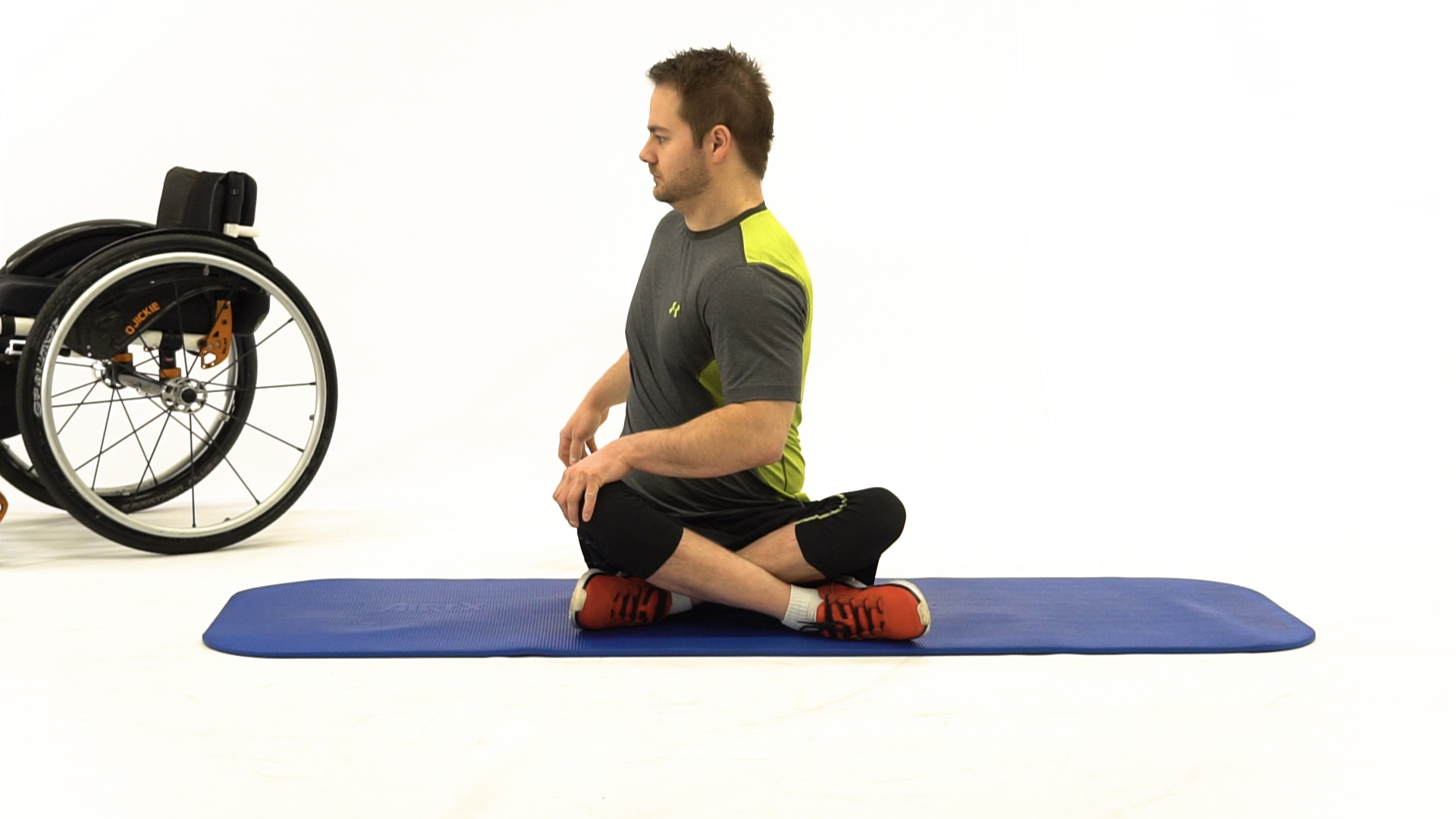 Play video
Sitting rotation3 x 30 seconds
Play video
Sitting rotation3 x 30 seconds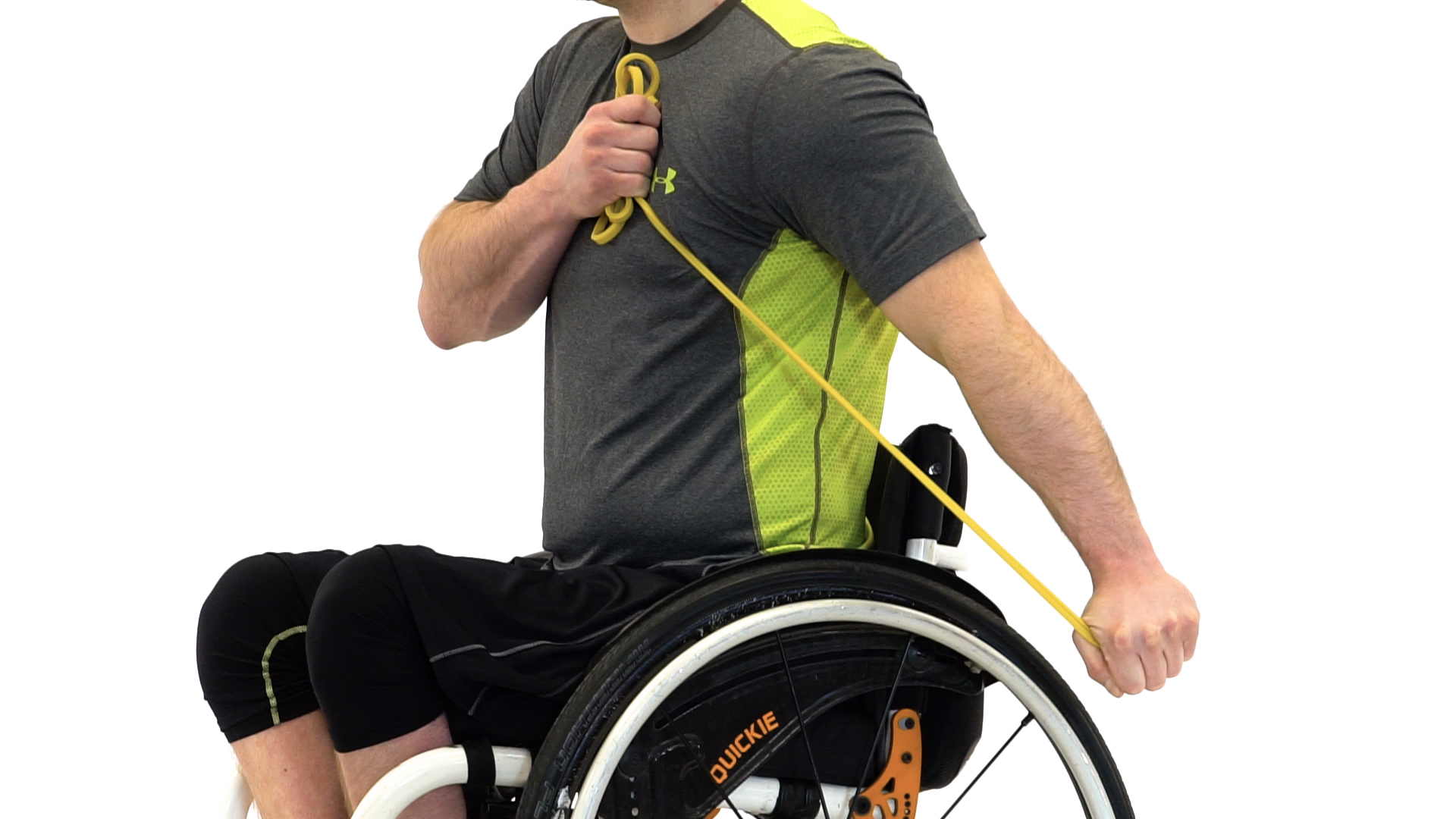 Play video
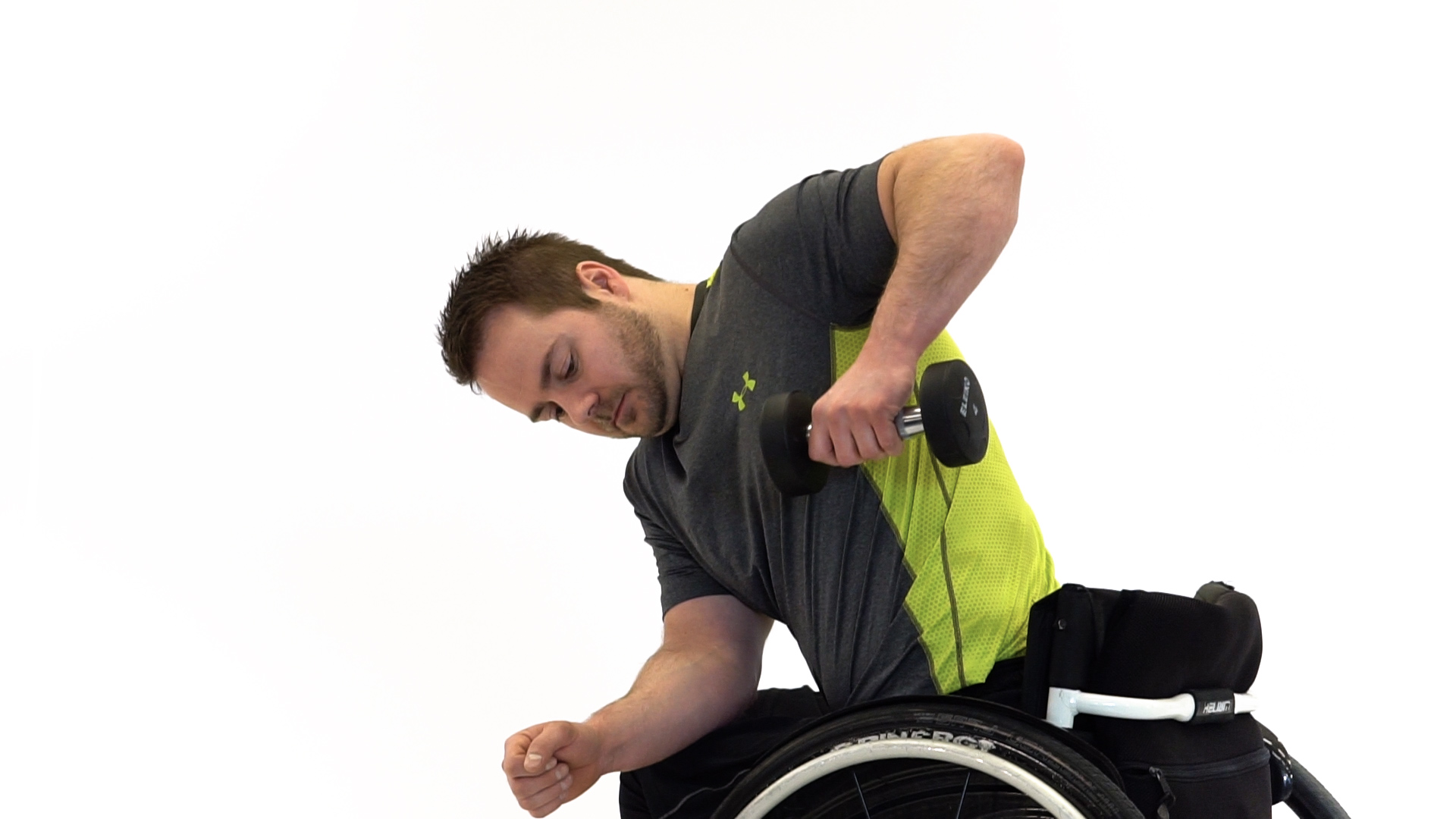
Elbow extension3 x 8-16 repetitions
Play video
Elbow extension3 x 8-16 repetitions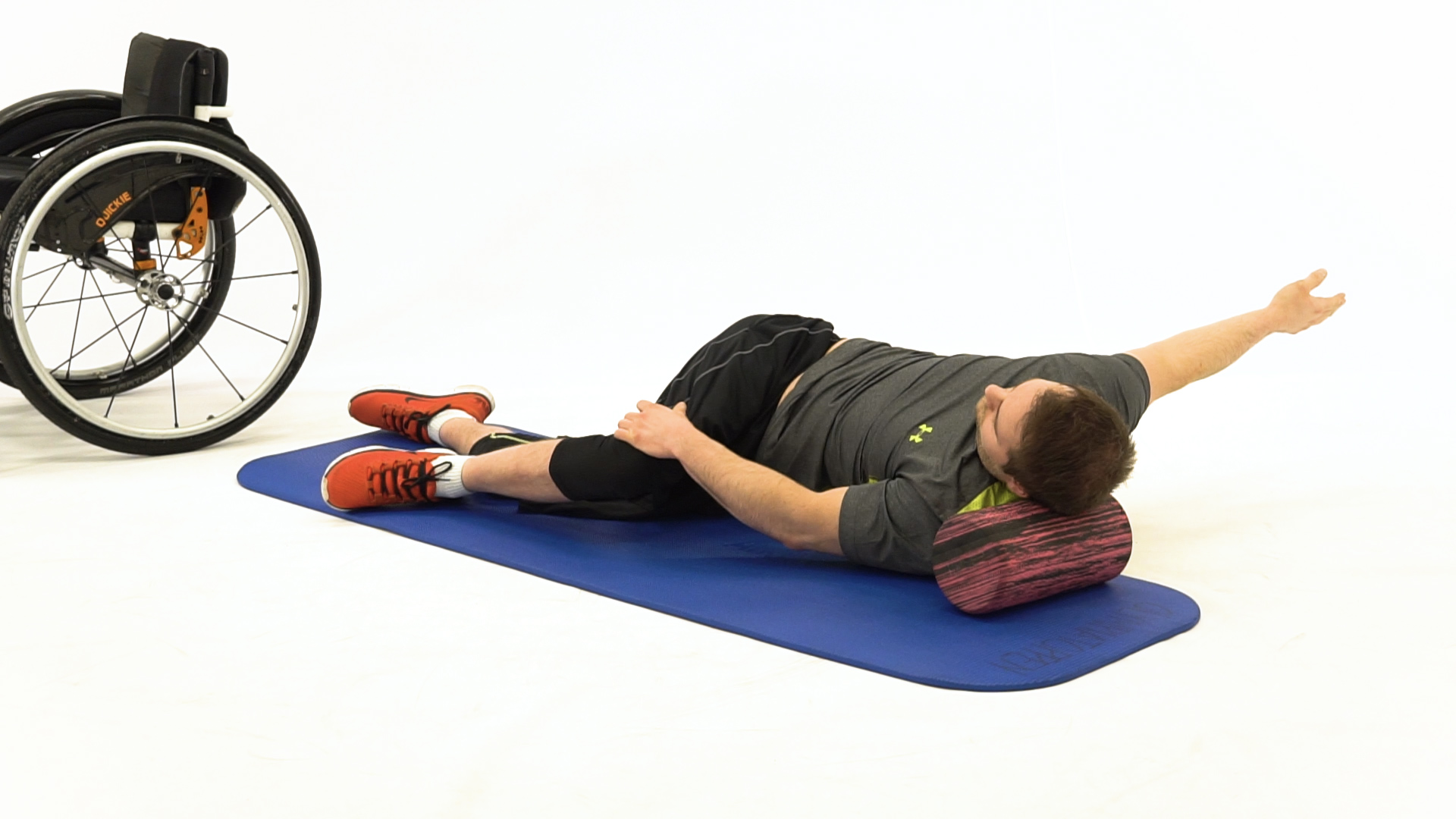 Play video
Side lying rotation3 x 30 seconds
Play video
Side lying rotation3 x 30 seconds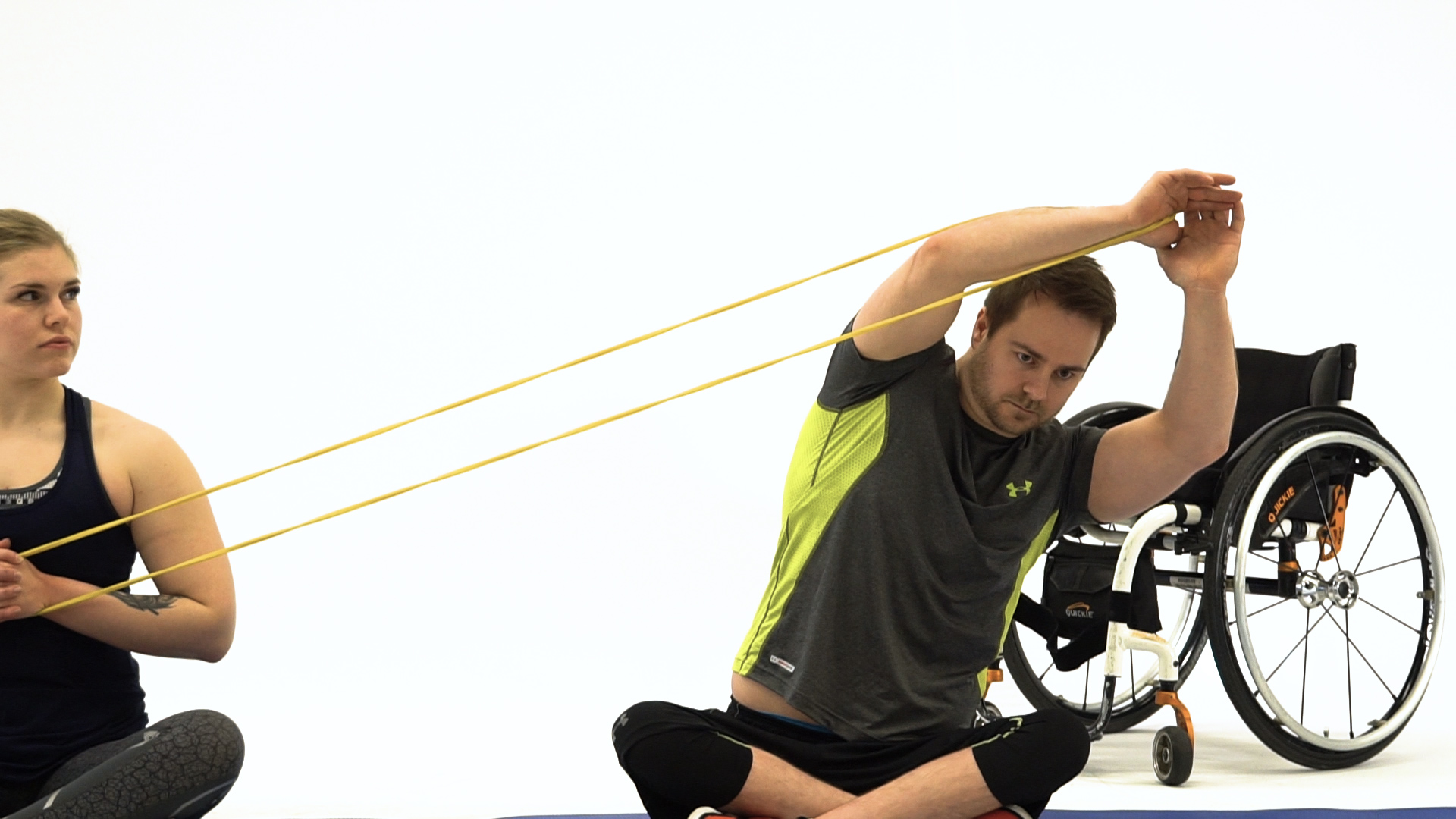 Play video
Lateral stability3 x 8–16 repetitions
Play video
Lateral stability3 x 8–16 repetitions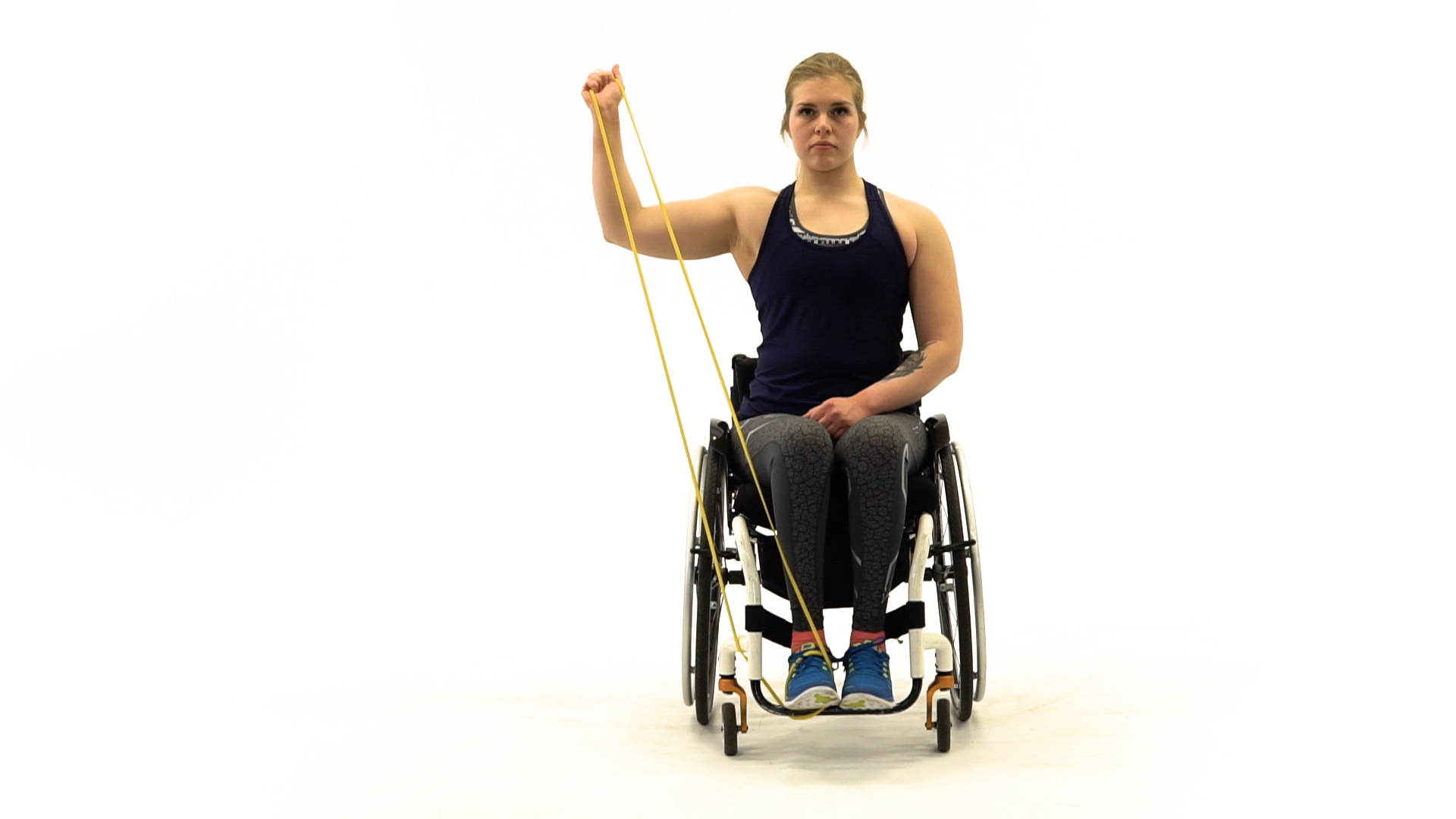 Play video
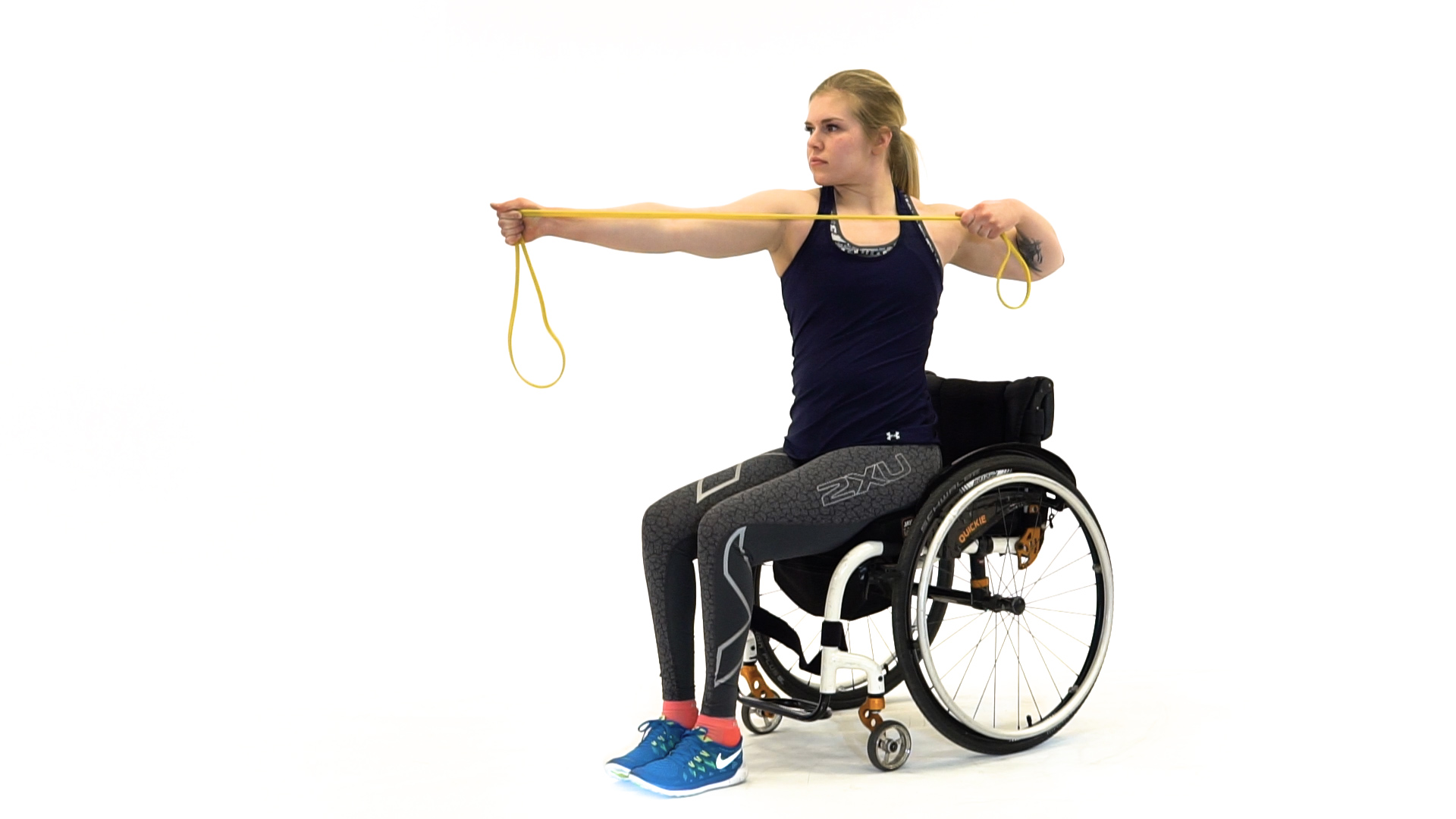
Shoulder external rotation3 x 8–16 repetitions
Play video
Shoulder external rotation3 x 8–16 repetitions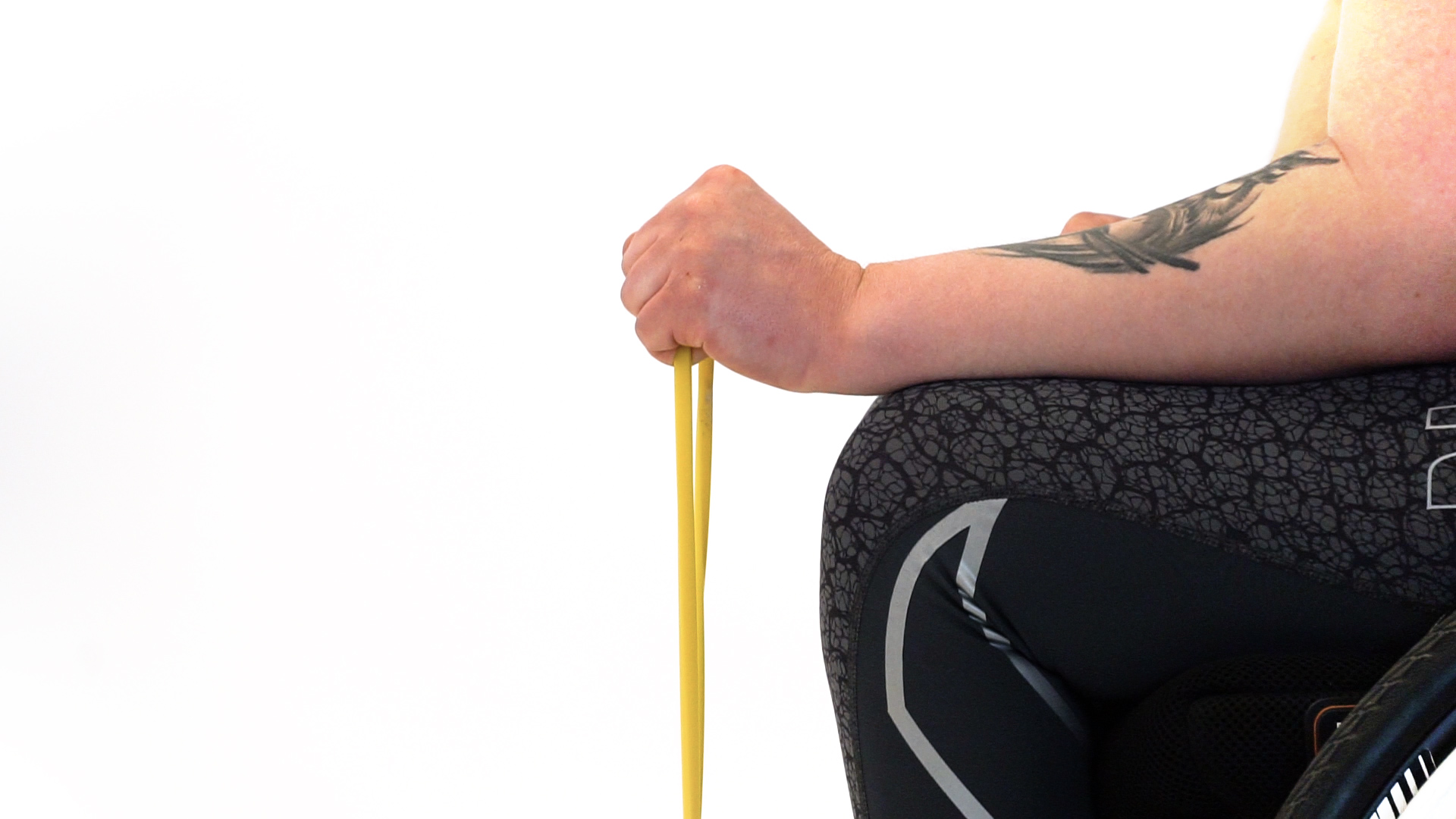 Play video
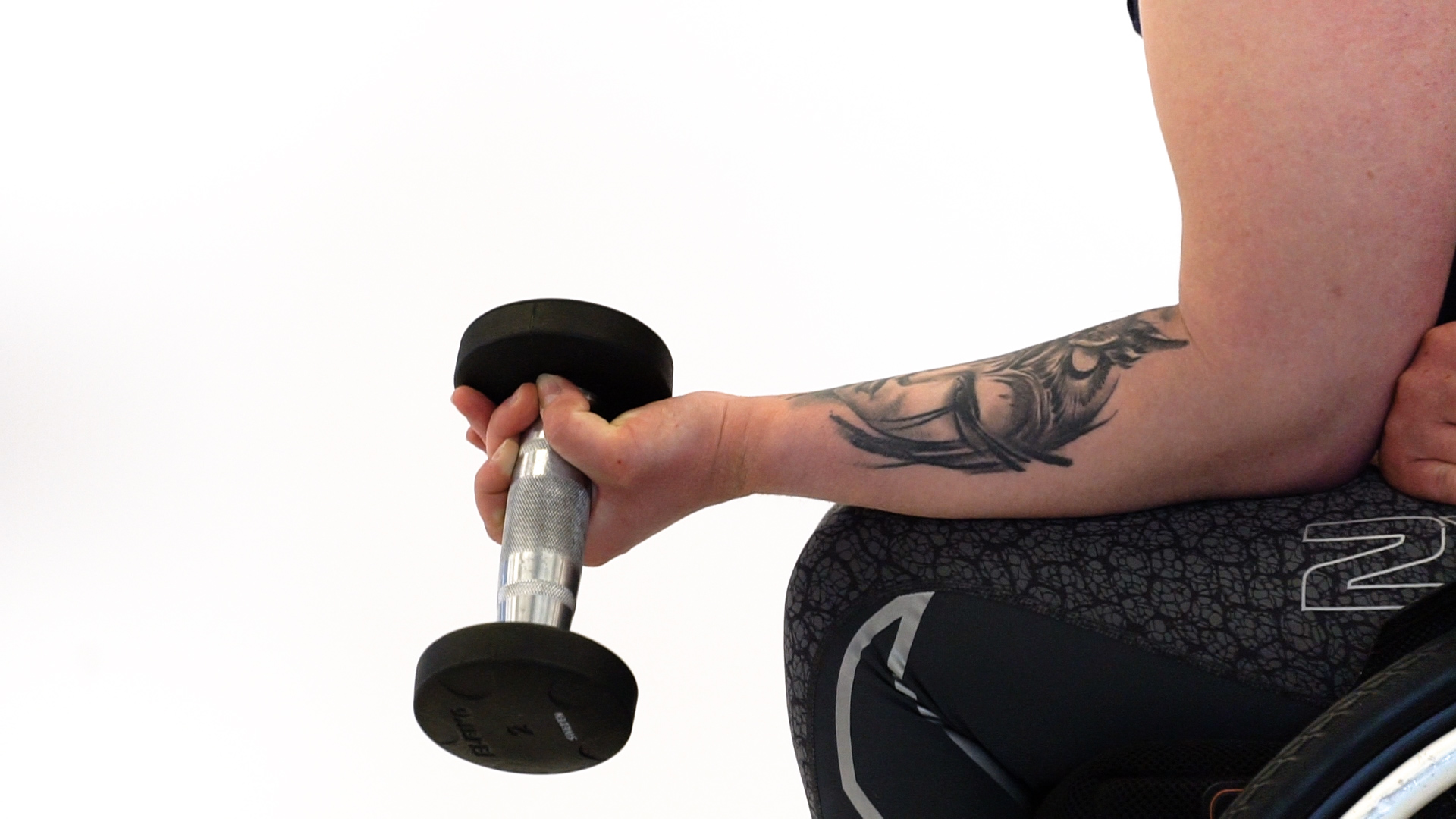
Wrist extension3 x 8–16 repetitions
Play video
Wrist extension3 x 8–16 repetitions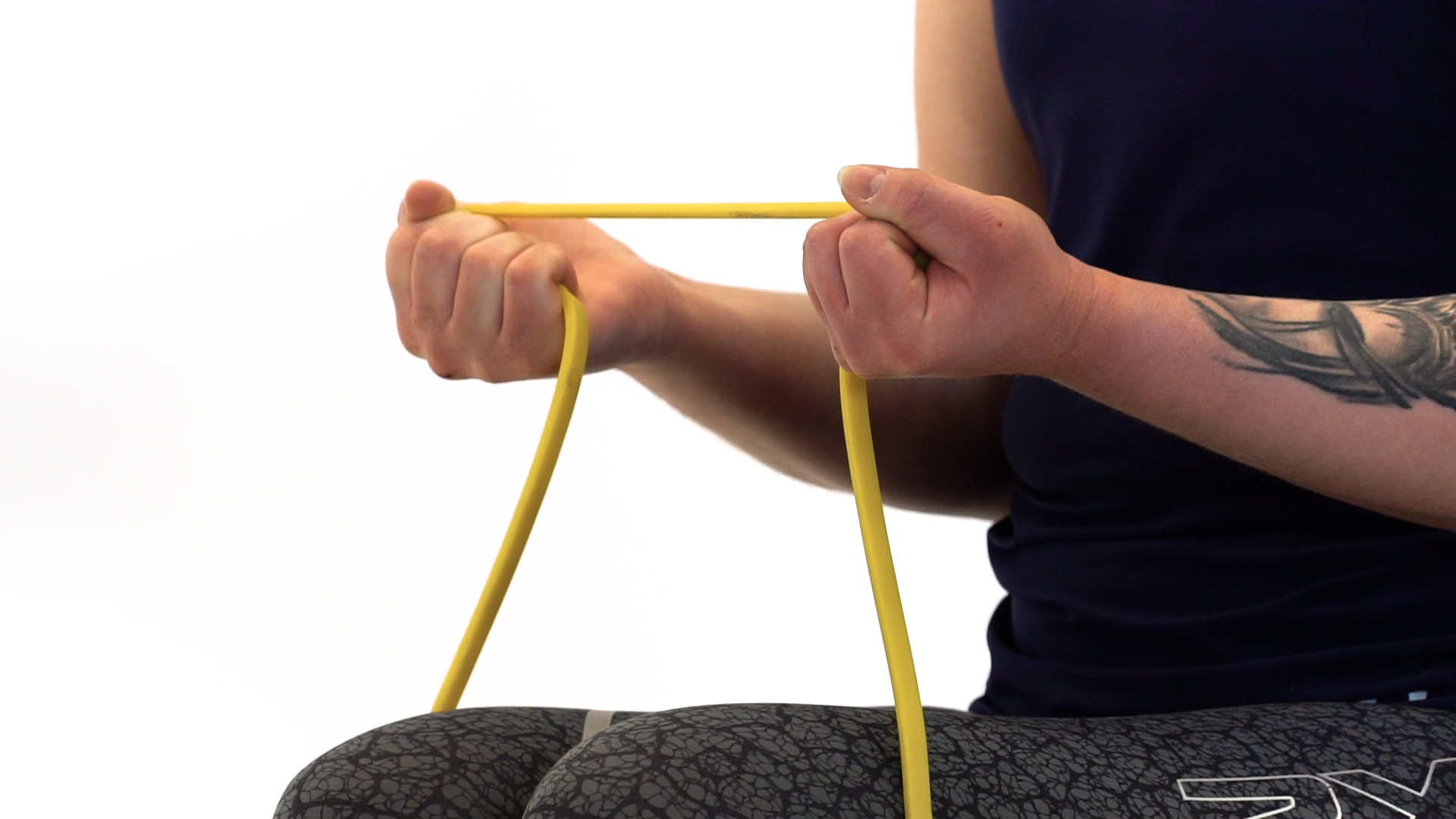 Play video
Elbow supination3 x 8–16 repetitions
Play video
Elbow supination3 x 8–16 repetitions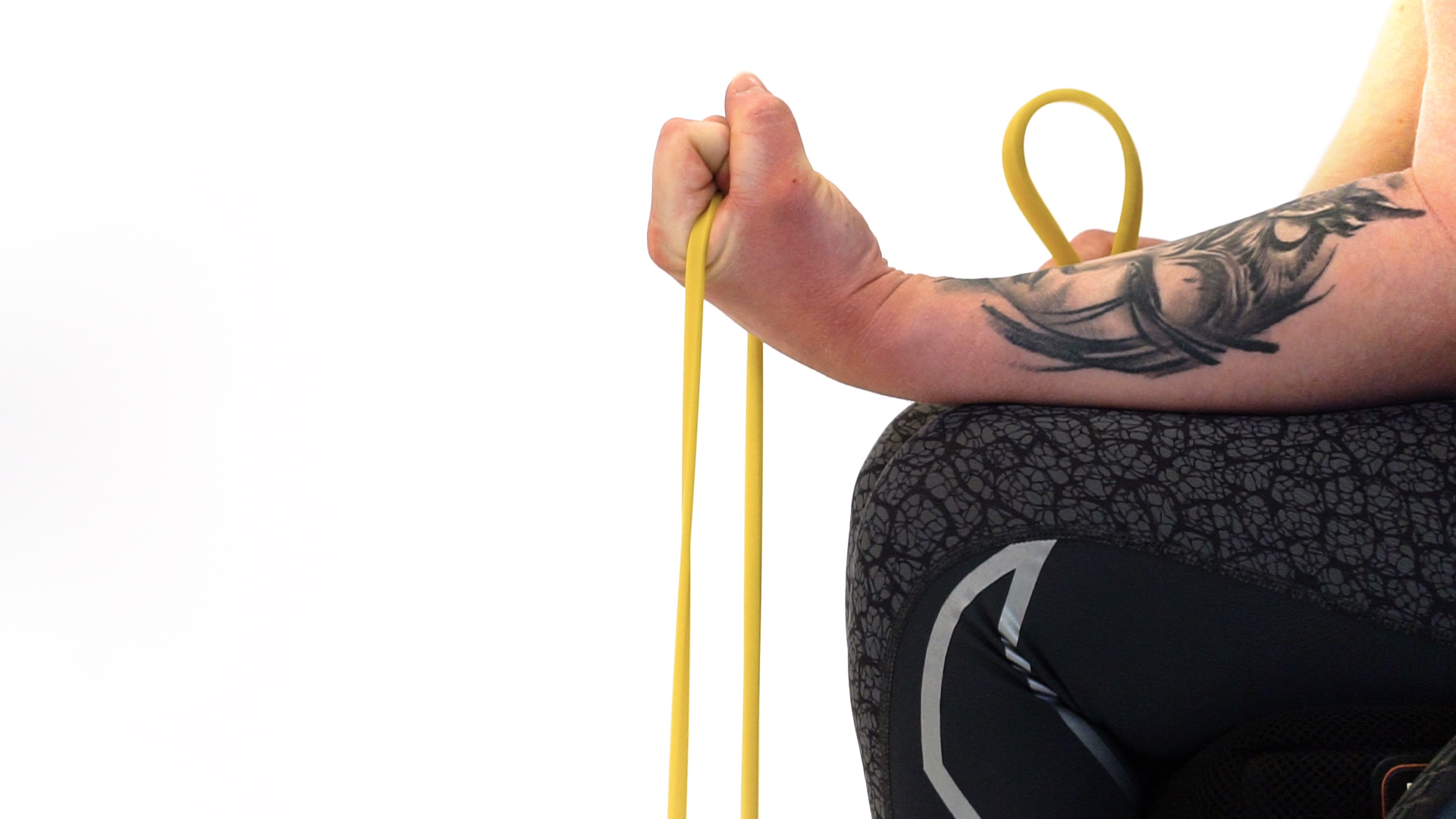 Play video
Wrist flexion3 x 8–16 repetitions
Play video
Wrist flexion3 x 8–16 repetitions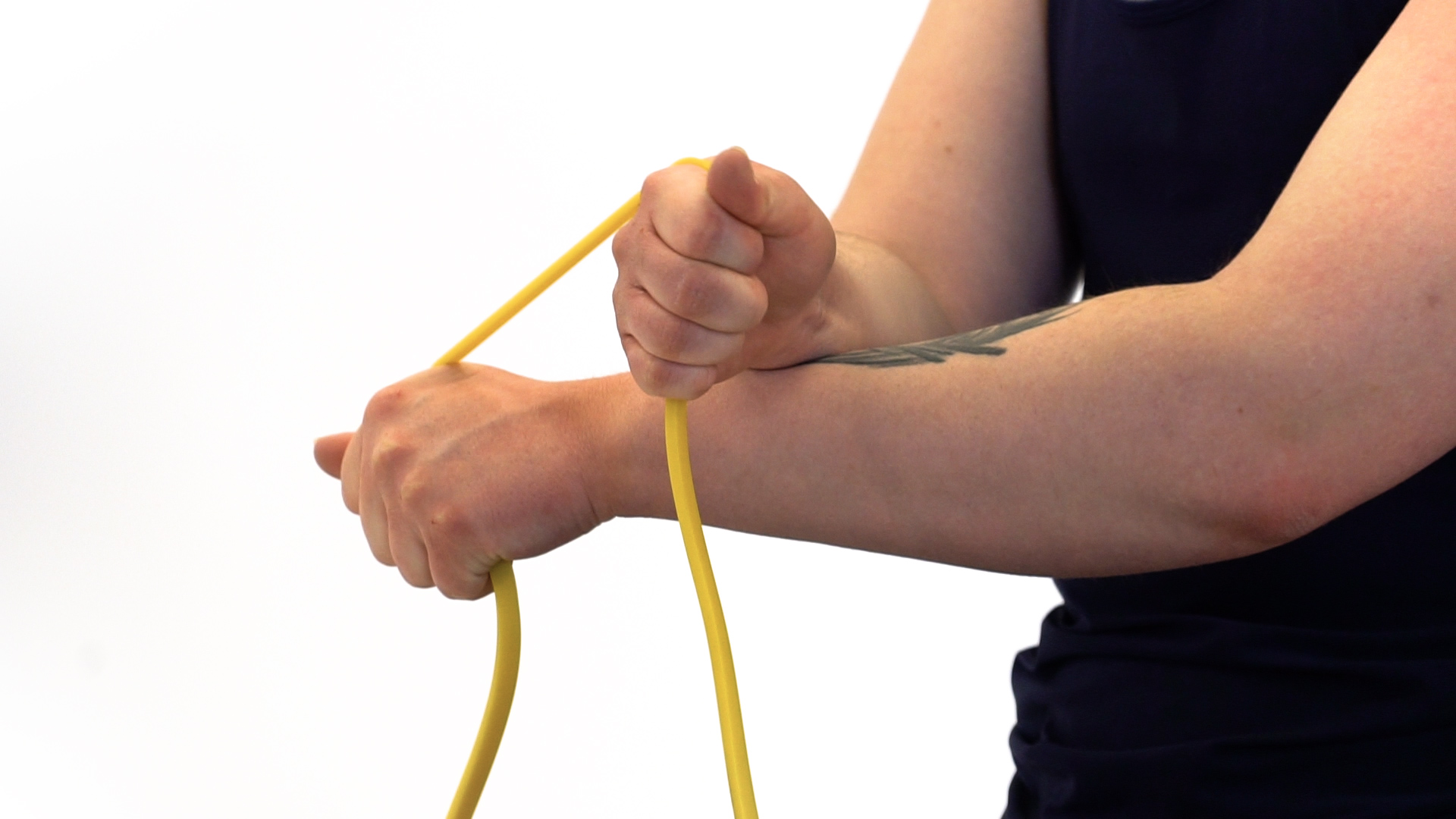 Play video
Elbow pronation3 x 8–16 repetitions
Play video
Elbow pronation3 x 8–16 repetitions